

Frequestly Asked Questions
Our Question and Answers Segment
We understand that planning a trip to East Africa comes with many questions ranging from what to pack and visa requirements to what to expect on safari and general travel arrangements. We have therefore put together answers to some of the questions we are most asked to help you prepare for your journey.
What is the scope of your operation?
Our offices are based in Nairobi, Kenya with expertise throughout the larger East African region to include Tanzania, Rwanda, Uganda and Indian Ocean Island such as Zanzibar, Mafia, Pemba, Seychelles and Madagascar.
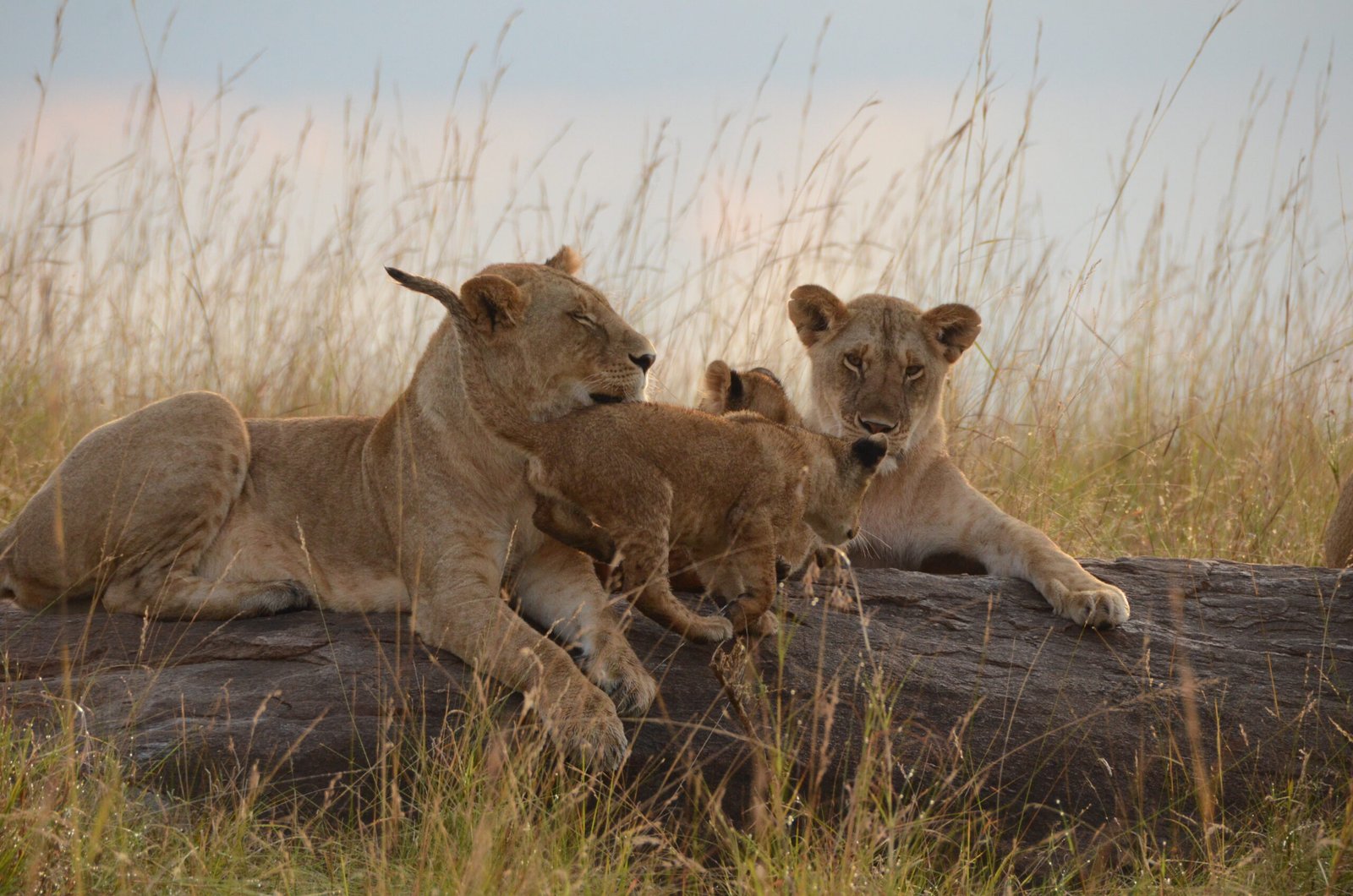
Kenya stands as one of Africa’s most iconic travel destinations, renowned for its rich wildlife, diverse landscapes, and vibrant cultural heritage.
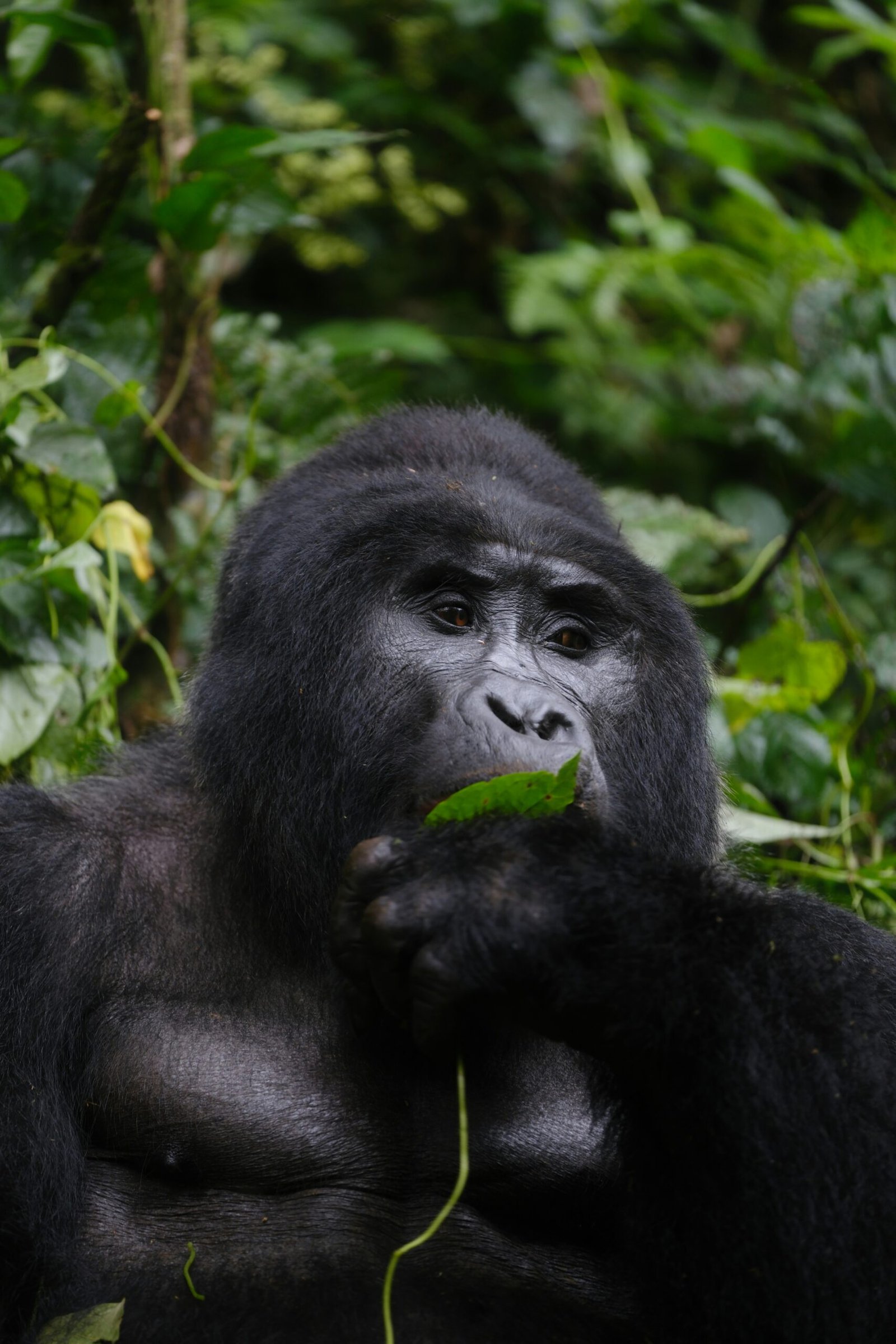
Uganda is a truly unique destination, celebrated for its lush landscapes, rare wildlife encounters, and warm, welcoming culture. Known as the “Pearl of Africa,”
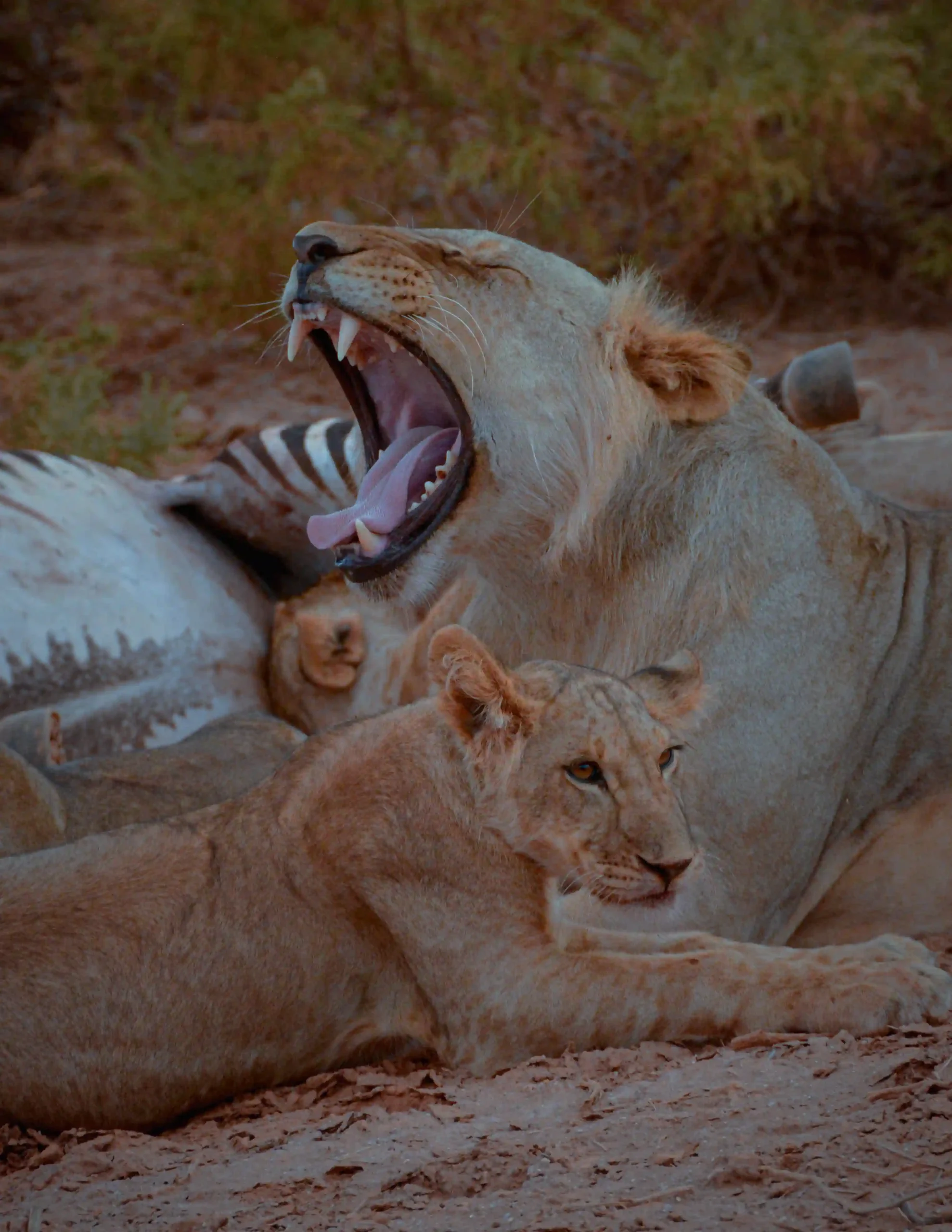
Tanzania is a land of extraordinary natural wonders, offering some of Africa’s most celebrated safari experiences. From the vast plains of the Serengeti…
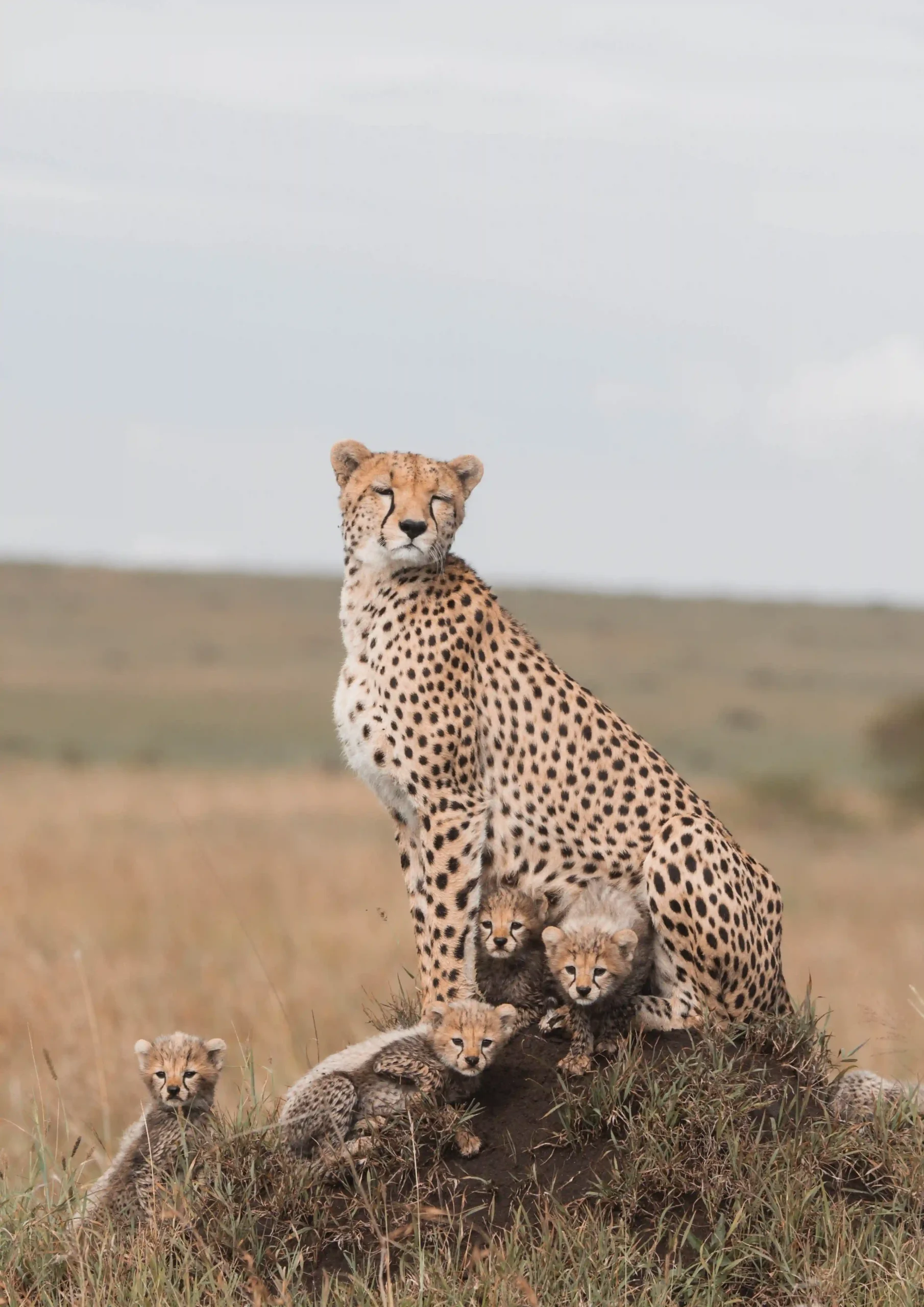
Rwanda, known as the “Land of a Thousand Hills,” is a destination defined by its stunning landscapes, remarkable wildlife, and inspiring story of resilience.
When is the best time to travel?
Located along the Equator, Kenya, Tanzania, Uganda, and Rwanda do not experience the distinct seasons common in the Northern and Southern hemispheres. Instead, East Africa enjoys a pleasant climate throughout the year, making it an excellent destination for safaris and wildlife viewing in any season. However, there are slight seasonal variations that may influence travel experiences.
East Africa experiences two rainy seasons, i.e. the short rains from late October through November and the long rains from late March to the end of May. April and May are commonly referred to as the Green Season – a quieter travel period offering excellent value. Although more rainfall is expected, the
landscapes become beautifully lush, birdlife is vibrant, and game viewing remains rewarding, often with fewer vehicles and a more exclusive safari experience. This period also coincides with the calving season for many wildlife species.
January to March and late October to November are often excellent times to travel, offering rewarding wildlife experiences with more favourable rates than the peak season. August, the Great Migration period, and the Christmas / New Year holidays are considered peak travel seasons and generally attract
higher demand and safari costs.
For primate enthusiasts, Bwindi Impenetrable National Park, Volcanoes National Park, and other gorilla trekking destinations in Uganda and Rwanda can be visited throughout the year. Gorilla trekking permits remain at the same price year-round, with largely no low or high season rates.
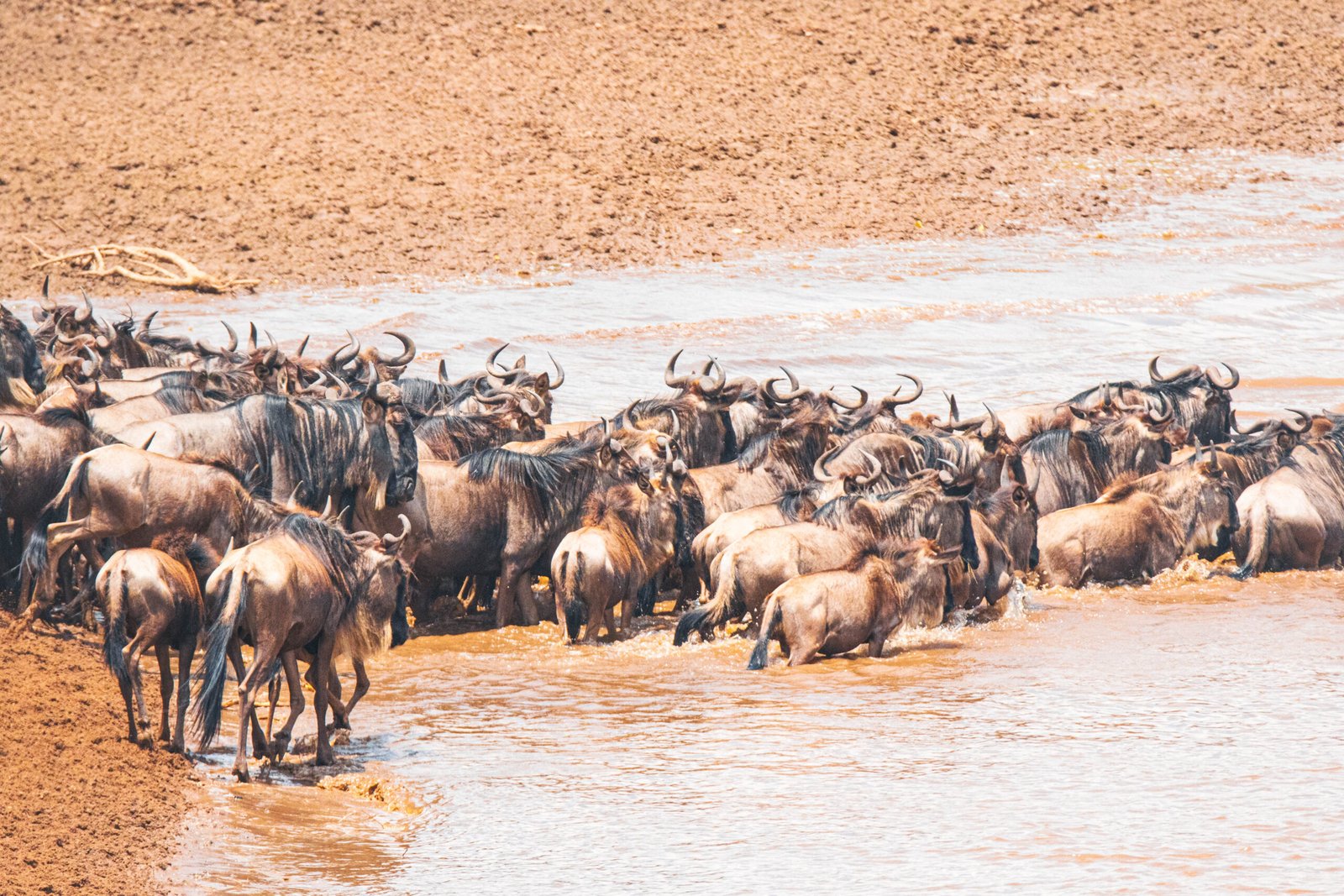
The famous Great Migration generally begins in the southern Serengeti National Park, particularly the Ndutu area, where wildebeest calving takes place from late January to March. The herds then move through the western and northern Serengeti around May to June, before crossing into the Maasai Mara National Reserve from July to October. While this follows a historical pattern, the movement of wildlife is natural and cannot be guaranteed. Nonetheless, both the Serengeti and Maasai Mara provide excellent year-round game viewing, regardless of the migration’s location.
Can I depart on a safari on any day?
Yes. As specialists in tailor-made journeys, most of our safaris can depart on any day of the year to suit your travel plans and preferences. However, we also offer a small selection of scheduled join-in safaris that operate on specific dates throughout the year.
How many days should I spend in one destination?
For a rewarding safari experience, we generally recommend a minimum stay of 2 -3 nights per destination. However, this may vary depending on the size of the reserve or park, as well as the purpose of travel. For special interests such as photography, longer stays at each destination are often recommended to allow for the best possible experience and wildlife opportunities.
How many destinations should I include in my itinerary?
There are several factors to consider when deciding how many destinations to include in your itinerary. If you are attending a conference and looking for a short safari extension, 2–3 nights may be ideal. The amount of time available is also important, as this may allow for 3–4 destinations to be comfortably included. Budget plays a role too, as longer safaris and more destinations generally increase costs. Lastly, your personal interests will help determine the most suitable itinerary and pace of travel.
How do I get started with planning my journey?
Visit the Contact Us page on our website and share your travel request with us. Upon receipt, one of our team members will be in touch to begin planning your safari. To help us create the most suitable itinerary, feel free to tell us a little about yourselves, your interests, and the type of experience you are seeking. If you have a preferred budget, you would not wish to exceed, kindly share your approximate budget per person in US dollars. We would also appreciate details such as who will be travelling, whether children are involved (including their ages), and how many days you have available for travel. The more information you share with us, the better we can tailor an experience best suited to your needs and expectations.
Are children allowed on Safari?
Yes – East Africa is an excellent destination for family holidays, welcoming children of all ages. Many camps and lodges offer family-friendly accommodation and activities to ensure an enjoyable experience for everyone. When planning a family safari, we consider the ages of the children:
We recommend the exclusive use of a safari vehicle for added flexibility, comfort, and privacy, as younger children may tire quickly during game drives. It is also important to select family-friendly properties offering family units or interconnecting rooms to ensure greater convenience and safety.
A wonderful age for safari, with many family-friendly properties offering activities beyond game drives.
Ideal for adventurous experiences, with opportunities to learn about wildlife, conservation, and local cultures in a meaningful way.
NB. Some activities such as Gorilla Trekking that have minimum age of 15 Yrs to 16 Yrs requirement, and certain properties may also have age restrictions. Advice will be provided accordingly.
What should I expect while on a safari?
Most people expect a safari to include the traditional morning and afternoon game drives for wildlife viewing. While these remain the highlight, a safari can offer much more depending on the destination and property. Additional activities may include guided nature walks, hot air balloon safaris, horse or camel rides, cultural visits, boat excursions, and conservation experiences making every safari unique and memorable.
Wi-Fi during safari & charging of devices:
The world has increasingly become a global village, making it possible to work from almost anywhere provided there is reliable internet connectivity. Safari camps and destinations have embraced this need, and most properties now offer dependable Wi-Fi access. It is also possible to arrange Wi-Fi in your safari vehicle upon request, though this may attract an additional charge.
Electrical sockets:
- Kenya, Tanzania, and Uganda use UK type 3-pin square plugs (220 volts).
- Rwanda uses European type 2-pin round plugs (220 volts).
NB. Though we recommend disconnecting from the devices so that you get to enjoy every aspect of the
safari.
Recommended Packing list / Baggage allowance:
There are variables to consider. In the case of road travel, and where there are only a few of you sharing the safari vehicle, you are almost free to carry as much luggage as you wish. However, for bush flights, luggage is often limited to 15 kgs per person, inclusive of hand luggage due to restricted baggage space and should be packed in soft bags. The same may apply where a safari vehicle is booked to full capacity, owing to limited luggage space. Further guidance will be provided at the time of booking. Packing for an East African safari depends on the destinations and activities included in your itinerary. In general, we recommend comfortable, lightweight clothing in neutral colours, together with a few warm layers for cool mornings and evenings.
Important items may include comfortable walking shoes, a light rain jacket, a hat, sunglasses, sunscreen, insect repellent, a camera, binoculars, a small daypack, and any personal medication. For gorilla trekking and guided walks, long trousers, long-sleeved shirts, and sturdy walking/hiking shoes are highly recommended. As requirements may vary depending on your safari, more detailed packing information will be provided at the time of booking.
What about international flights:
We recommend that you reserve your international flights directly, though we shall gladly provide guidance on the most suitable cities to fly into and out of based on your itinerary. Should this not be possible, we would be happy to recommend a trusted airline agency to assist with your flight arrangements.
We do, however, take care of all ground arrangements. These include arrival and departure transfers, internal or regional flights where applicable, accommodation, inland transportation, and meals, as outlined in the “includes / excludes” section of your itinerary.
How do I pay for my safari?
Bank/wire transfers are generally the most convenient and preferred method of payment. Credit card payments are also widely accepted, although a processing surcharge of approximately 5% may apply to the amount being paid. Cash payments are acceptable though not encouraged.
Tell me about insurances?
Please note that all our safaris include emergency evacuation insurance, covering transportation by air or road from the scene of an accident or medical emergency to a major hospital. Kindly note, however, that hospitalization and medical treatment costs are payable directly by the traveller, and we therefore highly recommend comprehensive travel and medical insurance.
Important to note though is that the Government of Zanzibar has introduced a MANDATORY inboundtravel insurance requirement for all foreigners visiting the Spice Islands of Zanzibar. This insurance requirement is effective the 01st of October 2024 for all foreigners arriving at Zanzibar via its seaports and airports. This MANDATORY inbound travel insurance must be acquired in advance of travel to Zanzibar, and it is only available from The Zanzibar Insurance Corporation (ZIC). The Government of Zanzibar has given below for those seeking additional information. It is available at a cost of $.44.00 per person. More information to be shared at the time of booking.
Do I require a Yellow Fever vaccination?
Yellow Fever requirements vary depending on your country of origin and travel history. Uganda requires all travellers to present a valid Yellow Fever certificate, while Kenya and Tanzania may require proof of vaccination for travellers arriving from countries with a risk of Yellow Fever transmission. We recommend checking the latest travel health guidelines before departure.
Travelers below 9 months or above 60 years, or those medically unable to receive the vaccine, should consult their doctor and travel with a medical exemption letter where applicable.
What about malaria precautions and other recommended vaccinations?
As Kenya, Tanzania, Uganda, and Rwanda fall within Sub-Saharan Africa, malaria may be present in some regions, particularly in low-lying and coastal areas, while many safari destinations at higher altitudes are considered lower risk. We recommend consulting your doctor prior to travel regarding anti-malaria medication based on the areas you will be visiting.
To help avoid mosquito bites, we recommend using a good mosquito repellent and wearing long clothing in the evenings. Vaccinations such as Hepatitis A and B may also be advisable. Bottled/mineral water will be provided during your safari for drinking, and safe water is available at most properties for brushing teeth.
Do I require a visa to travel to East Africa?
Visa requirements vary depending on your nationality and the countries you intend to visit. We recommend checking the latest immigration requirements well in advance of travel. Our team will also be happy to guide you accordingly.
Visa Requirements for Kenya:
All travellers visiting Kenya are required to apply for an Electronic TravelnAuthorization (eTA) before travel. Applications should ideally be submitted at least 3 days before arrival, though we recommend applying once your travel arrangements have been confirmed.
For more information and applications, please visit: Kenya eTA Portal
Visa Requirements for Tanzania:
Travelers requiring a visa to enter Tanzania are encouraged to apply for an e-visa in advance to avoid delays on arrival. Applications can be made several months before travel. For visa applications and further information, please visit:
Tanzania Immigration Services
Visa Requirements for Uganda:
Travelers requiring a visa for Uganda are required to apply online prior to travel. For more information and applications, please visit: Uganda Immigration Portal
Visa Requirements to Rwanda:
All visitors to Rwanda will be issued a visa on arrival. The duration of the visa and the costs vary depending on nationality. For more information and applications, please visit:
https://www.migration.gov.rw/visa-on-arrival
What is the East Africa Tourist Visa?
It is ideal for travellers visiting Kenya, Uganda, and Rwanda on the same trip. It allows multiple entries within these three countries for up to 90 days, provided you remain within the region to include Tanzania.
How long should my passport be valid?
Your passport should be valid for at least 6 months from the date of entry into Kenya, Tanzania, Uganda, or Rwanda.